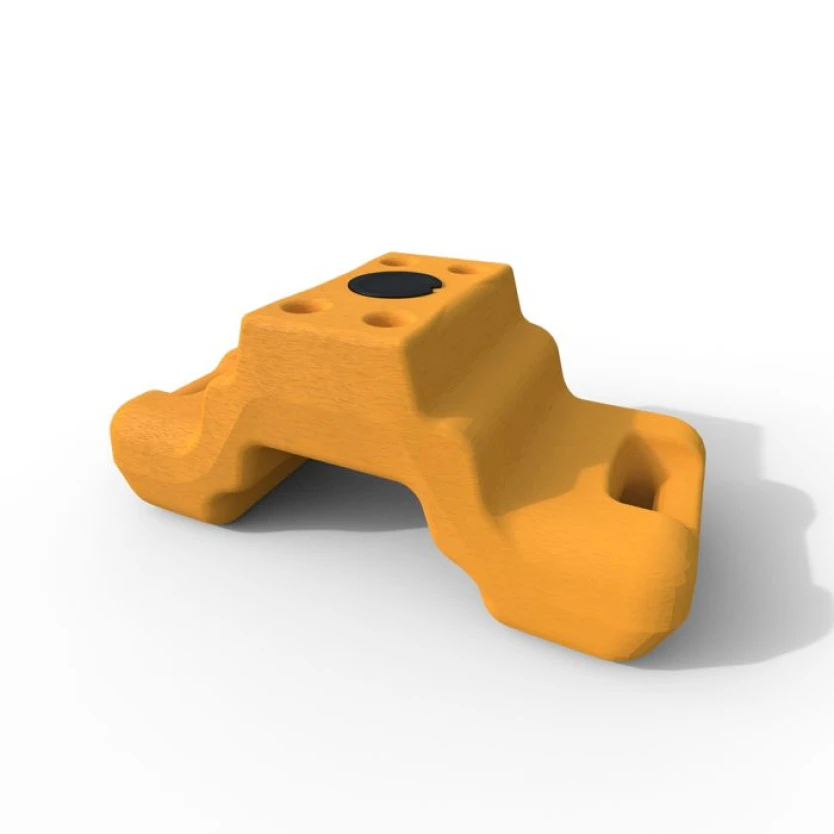
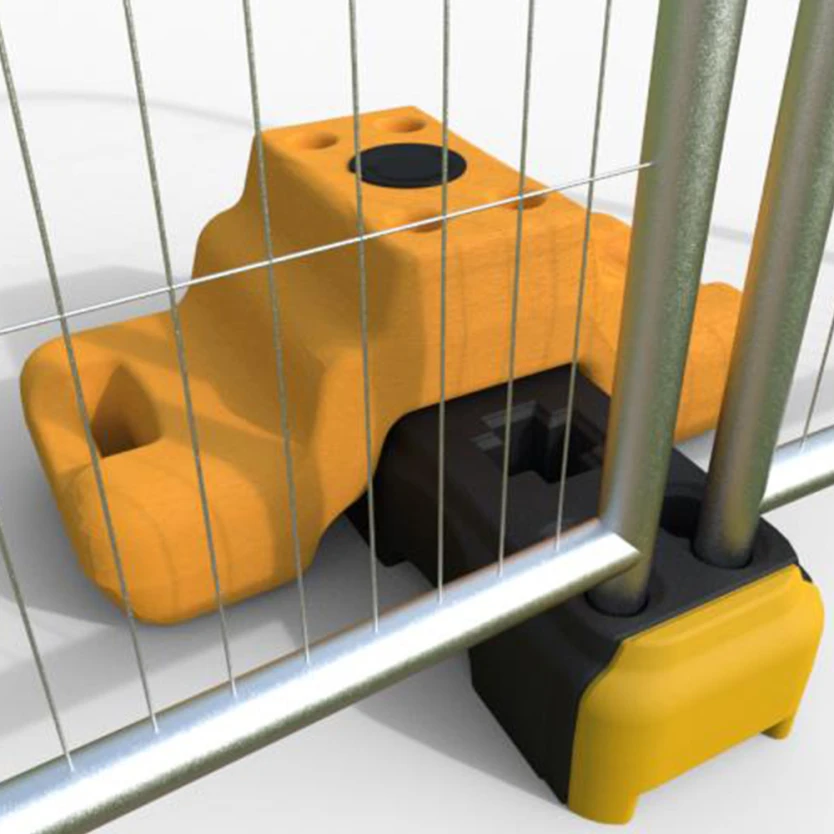
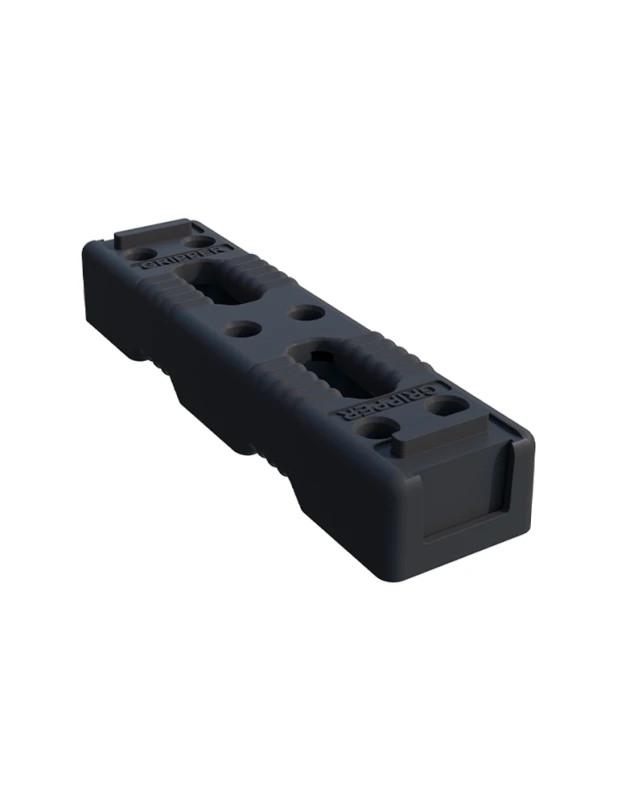
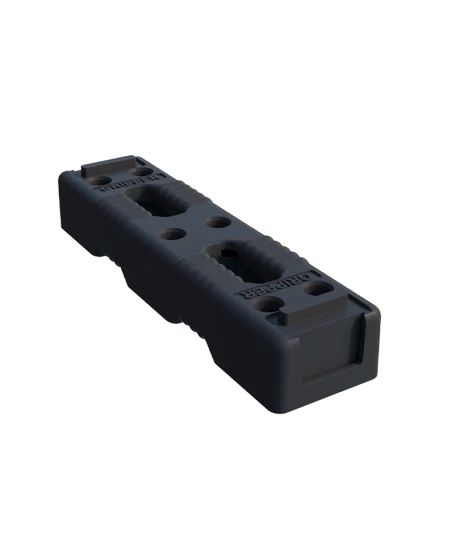
Ballast blocks give you a simple way to add stability to temporary fencing on site. Each block is a hollow, blow moulded unit that sits over the end of a fence foot, and you fill it on site with sand, concrete or water to reach the weight you need for the conditions.
As a heras fencing weight, this block fits all common fence bases and stacks with other blocks or weights when you need extra ballast. Ergonomic handles make it easier to move and position, and a durable cap keeps foreign objects out once it is filled.
Key Features and Benefits
Hollow, blow moulded design. Lightweight to move before filling and easy to position on site.
Fill on site. Fill with sand, concrete or water to reach the ballast weight your site needs.
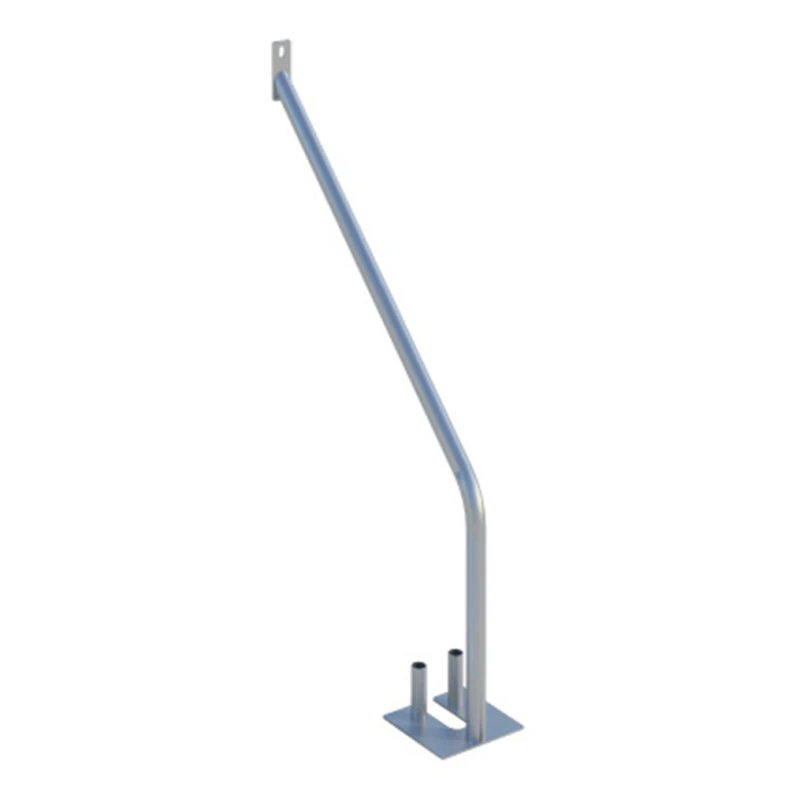
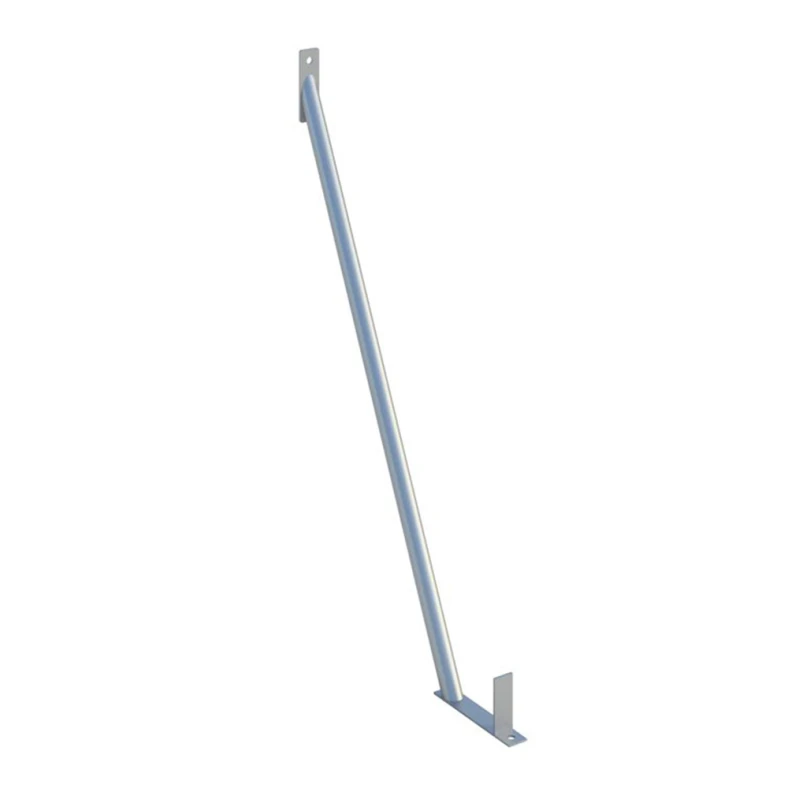
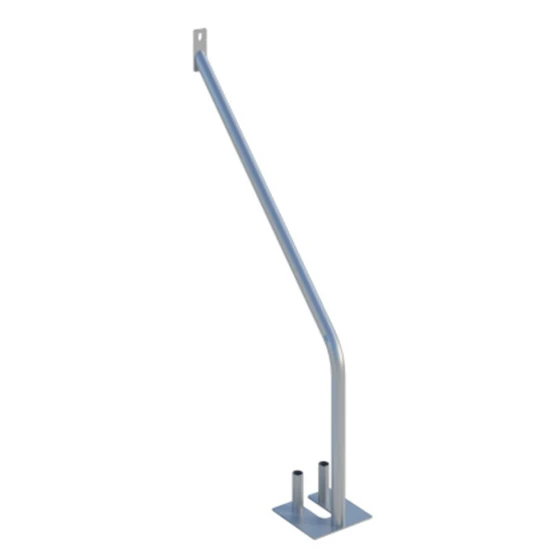
Stackable. Stack with other blocks or existing weights, including a Ballast Block Stabiliser, for greater stability.
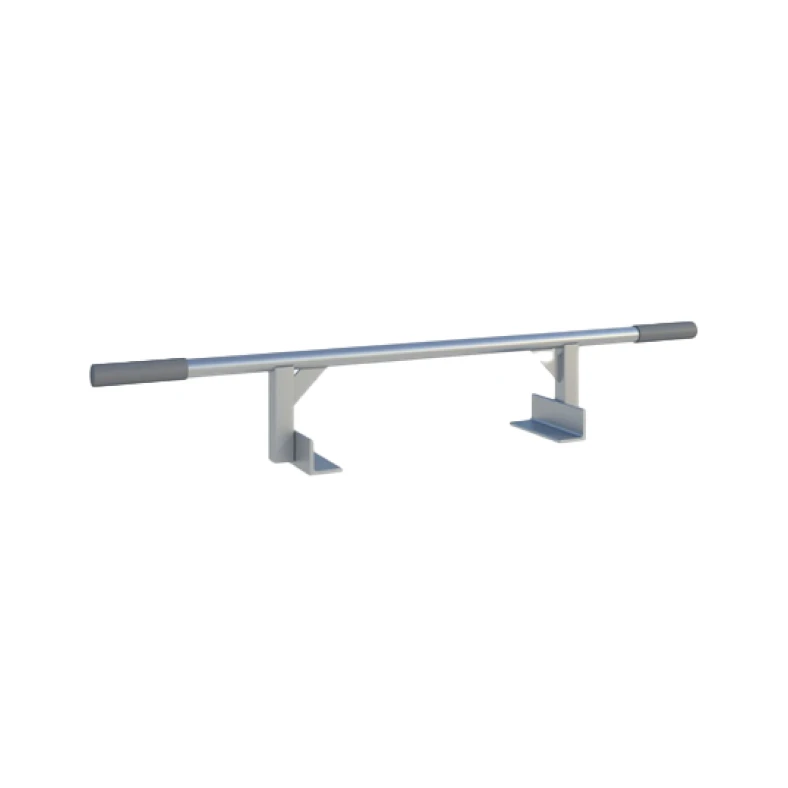
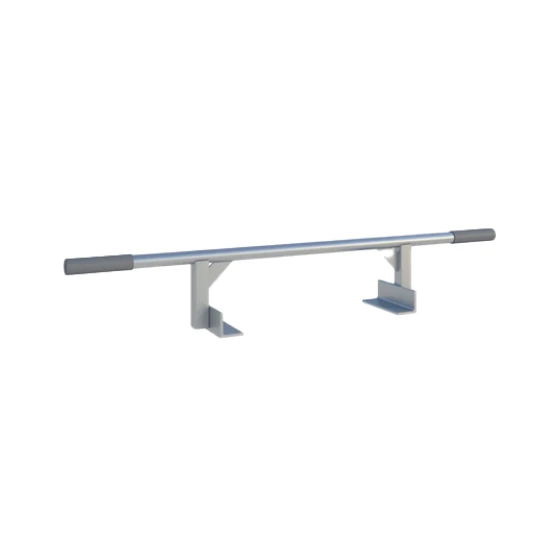
Ergonomic handles. Make the block easier to handle and transport around site, or use the dedicated Ballast Block Lifter for larger moves.
Durable cap. Keeps foreign objects out of the block once it is filled.
Fits common fence bases. Works with Standard Fence Stabiliser Feet.
Brandable. Can be embossed with corporate branding.
Frequently Asked Questions
Q. What are ballast blocks?
A. Ballast blocks are hollow, blow moulded blocks that sit over the ends of fencing feet. You fill them on site with sand, concrete or water, adding weight to help keep your temporary fencing stable.
Q. What can I fill a ballast block with?
A. You can fill a ballast block with sand, concrete or water. Filled with water, the block reaches 22kg. Filled with concrete, it reaches 44kg, giving you a heavier option where more stability is needed.
Q. How much do ballast blocks weigh?
A. An empty ballast block weighs 1.8kg. Once filled, the weight depends on what you use. Water brings it to 22kg, while concrete brings it to 44kg, so you can choose the fill that suits the stability you need on site.
Contact your nearest Altrad Generation Branch to discuss ballast blocks for your project.
Download brochure