The GS6 Goal Post gives you a straightforward way to meet HSE GS6 compliance wherever your site works near an overhead obstacle such as power lines, gantries or bridges. It is designed to be set up bridging the access road before and after the obstacle, creating a physical height restriction that warns drivers before they get anywhere near the hazard. Sites working near overhead obstacles carry legal duties under electrical safety regulations, and GS6 is the recognised HSE guidance for meeting them, so having compliant equipment on site from the start keeps your project moving without delay.
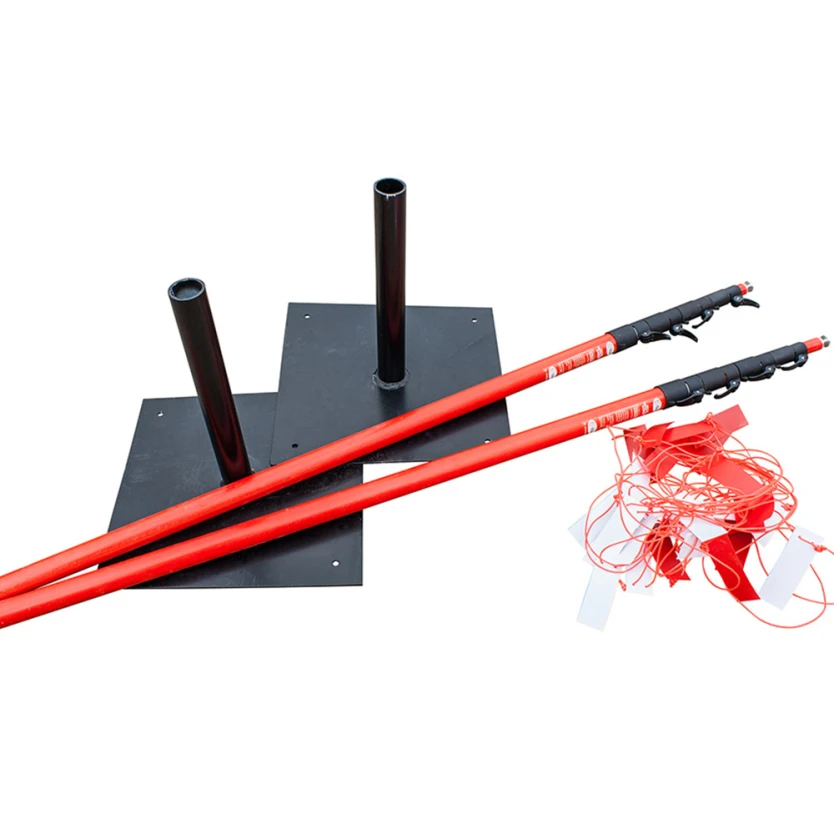
Our GS6 goalposts are made up of two telescopic poles made from GRP, a fibreglass material that is completely non conductive and insulated to over 75kV, so they are safe for use near power lines and other electrical infrastructure. Each pole adjusts from 1.83m up to a maximum height of 7.53m, with a maximum cross bar span of 8m between the two poles. Quick release hand operated clamps let you adjust the pole height quickly during setup, and the red and white pole sections keep the barrier visible to approaching drivers day and night.
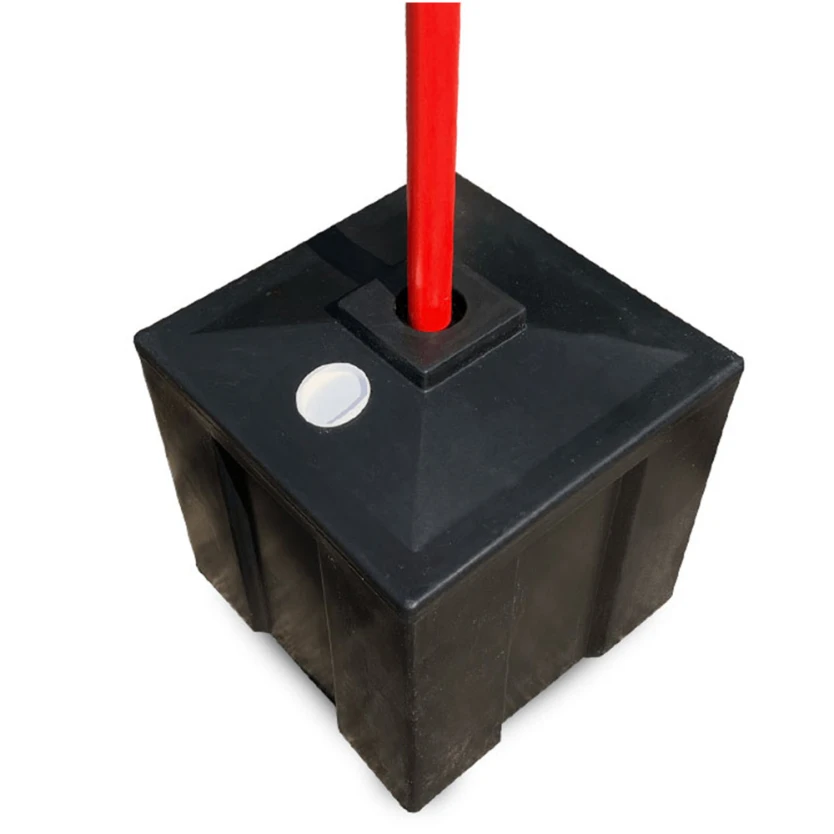
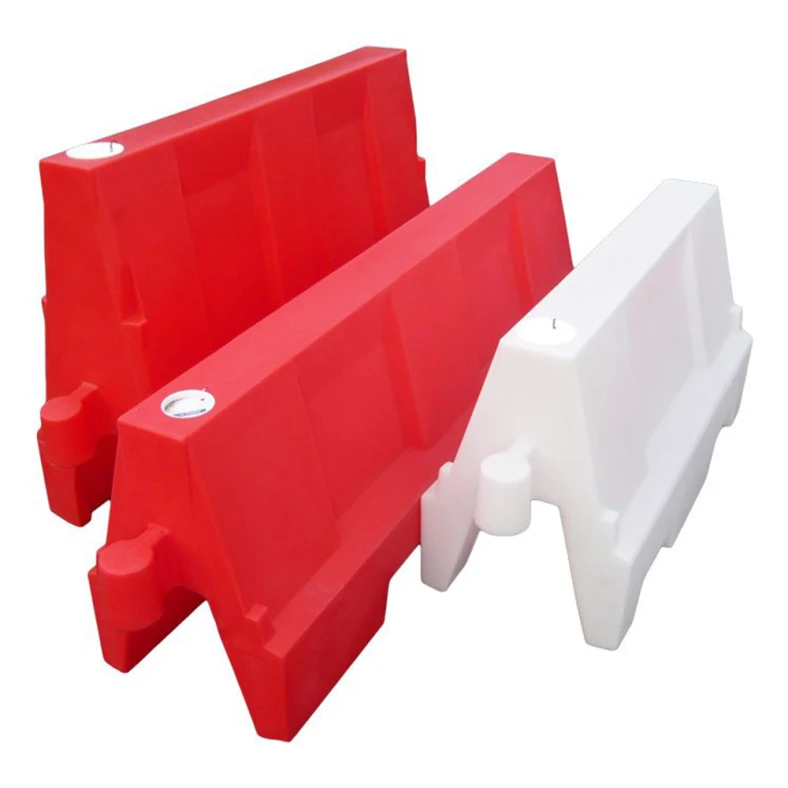
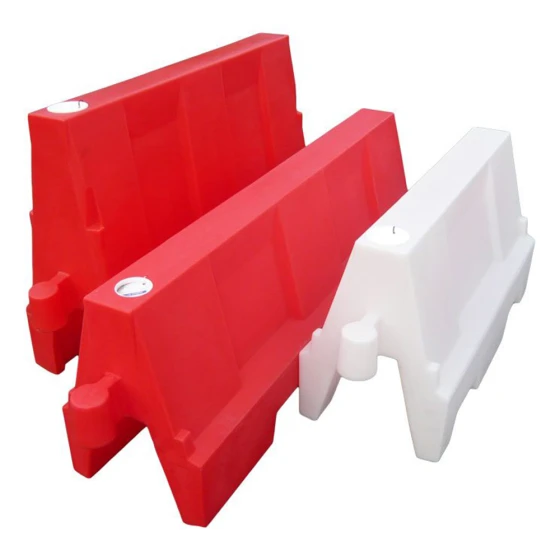
You will find GS6 goal posts wherever a site needs to protect vehicles from overhead hazards, from civil engineering and infrastructure works near overhead cables to quarries, demolition sites and utility works under overhead electrical infrastructure. Choose the metal base version, which uses galvanised steel bases, or the water filled block version, which uses lightweight bases you fill with water on site for stability, up to 100kg once filled. Site teams working to GS6 guidance can specify either base option, since both share the same non conductive poles and meet the same HSE GS6 compliance standard. Many of these sites also run other Traffic Management measures alongside the goal post. A Road Runner 500 self weighted barrier can act as extra ballast next to the kit for additional lane control, while a Bison Barrier gives you a water filled option for separating pedestrians from vehicles nearby.
Key Features and Benefits
Non conductive poles: GRP poles insulated to over 75kV, safe for use near power lines and other electrical infrastructure.
Telescopic height: adjusts from 1.83m to a maximum of 7.53m to suit different overhead obstacles.
Wide span: maximum cross bar span of 8m between poles.
Quick release clamps: hand operated clamps let you adjust pole height quickly during setup.
High visibility: red and white pole sections keep the barrier visible to approaching drivers.
Wind tested: MIRA tested to withstand wind speeds up to 50mph.
Two base options: choose galvanised steel bases or water filled block bases, up to 100kg once filled, to suit your site.
Complete kit: each set includes two bases, two telescopic poles and 25m of bunting.
Frequently Asked Questions
Q. What are GS6 goalposts?
A. A GS6 goal post kit gives you everything you need to bridge an access road ahead of an overhead obstacle. Each kit includes two telescopic poles made from non conductive GRP, 25m of bunting, and a choice of metal or water filled block bases. The poles adjust from 1.83m to 7.53m so you can set the right height restriction for the obstacle on your site.
Q. How do you comply with GS6 on a construction site?
A. GS6 compliance means having the right height restriction equipment in place wherever your site has an overhead obstacle such as power lines. The GS6 Goal Post is fully HSE GS6 compliant, with non conductive GRP poles insulated to over 75kV and 25m of bunting, so you can have compliant equipment on site wherever a height restriction is needed.
Q. What are goal posts for power lines?
A. Goal posts used near power lines need poles that will not conduct electricity if they come into contact with a live line. The GS6 Goal Post uses GRP poles insulated to over 75kV, with red and white sections for high visibility and 25m of bunting to reinforce the warning to approaching vehicles.
Contact your nearest Altrad Generation Branch to discuss the GS6 Goal Post and your wider Traffic Management needs.
Download brochure